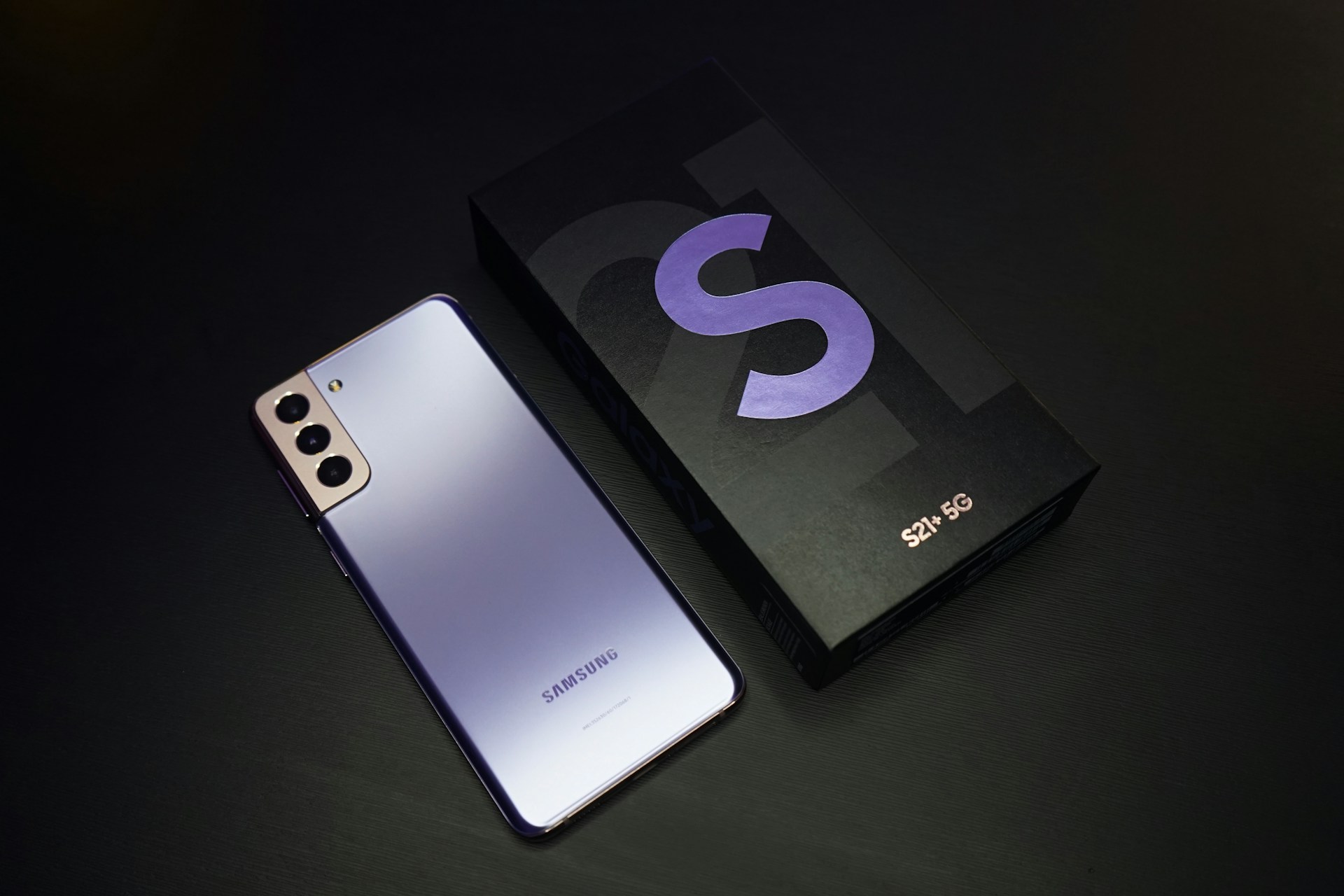
For weeks, the rumor mill has been churning regarding a peculiar issue affecting Samsung smartphones: a complete halt in Google Play system updates. Speculation ran rampant across forums and tech communities as users noticed their devices were falling behind on these specific monthly components, even as other updates arrived on schedule. Following an inquiry by the tech publication heise online, the South Korean manufacturer has finally broke its silence to explain the strategy behind the freeze.
Intentional Software Stagnation
Samsung confirmed that the lack of updates is not a glitch, but rather a deliberate choice calculated to ensure system stability. In a statement provided to heise online, the company explained that during the rollout of new devices or major One UI upgrades, they exclusively deploy software that has been rigorously verified in-house. Consequently, the distribution of Google updates has been temporarily suspended to “avoid possible problems.”
This controlled pause is slated to end soon, with plans to resume the Google update cycle in January 2026. From an IT security perspective, this delay appears to be a calculated risk rather than a vulnerability; if there were an immediate threat, Samsung would almost certainly push the necessary patches. The company has long emphasized device security, particularly given the widespread adoption of Galaxy devices in enterprise environments.
The Update Discrepancy
The confusion for users stemmed from the fragmented nature of Android updates. Owners of Samsung devices recently observed that while their core Android system updates were arriving on time—bringing the security patch level to December 1, 2025—the Google Play system update remained stuck in the past. Many devices displayed versions dating back to July, August, or September 2025, leading to widespread irritation among enthusiasts who monitor their software versions closely.
While Samsung is taking a conservative, safety-first approach to its software ecosystem, the physical durability of its most ambitious new hardware is facing severe scrutiny.
The TriFold’s Fragile Debut
The Galaxy Z TriFold, Samsung’s first double-folding smartphone, has finally hit retail shelves. Currently available exclusively in South Korea, the device carries a staggering price tag of approximately 3,700 euros. While it promises to bridge the gap between phone and tablet by unfolding into a massive 10-inch display, early stress tests suggest that the engineering marvel may be too delicate for the real world.
The YouTube channel JerryRigEverything, known for pushing consumer electronics to their breaking point, managed to acquire a unit for testing. The results were sobering. During the standard scratch test, the device showed significant vulnerability; not only did the soft inner plastic screen yield easily to markings, but the exterior rear panel also lacked substantial scratch resistance.
Structural Failures
However, it was the bend test that delivered the death blow. The device’s incredibly slim profile—measuring just 3.9 millimeters in thickness—proved to be its Achilles’ heel. While the dual hinges held up reasonably well, the ultra-thin chassis itself buckled under pressure. The structural failure was catastrophic, destroying the screen in the process.
This lack of rigidity poses a serious safety concern regarding the internal components. The batteries, which run through the device, are susceptible to bending along with the frame. As noted by channel host Zack Nelson, this creates a potential fire hazard if the battery integrity is compromised. His advice for prospective owners of this luxury gadget is simple and practical: do not, under any circumstances, sit on the unfolded device.